
 What is 'Gymnasts wrist'?Gymnasts wrist is irritation and inflammation of the growth plate at the end of the forearm bone where it connects to the wrist. In children the bones grow from areas called growth plates which are made of softer and more vulnerable cartilage than mature bone. 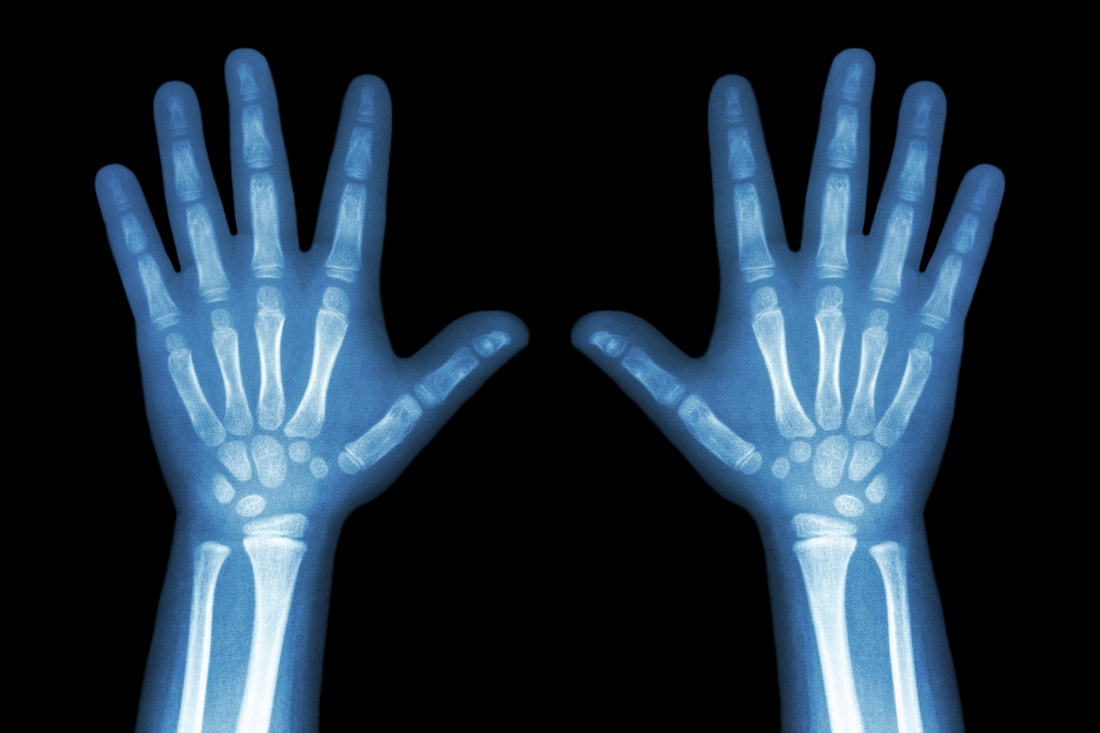 What causes gymnast's wrist?Gymnasts wrist is essentially an overuse injury that occurs in up to 40% of young gymnasts. It is most likely to occur during an intense period of activity such as when a gymnast moves to a higher competitive level. High impact activities like tumbling and vaulting put an especially large amount of compressive force on the growth plate of the wrist. Does it cause long term problems?If not treated properly, gymnasts wrist can cause the growth plate of the affected bone (radius) to close sooner than it should. When this happens and the other forearm bone continues to grow you can end up with an asymmetry of the forearm bones and long term chronic wrist pain. Common symptoms of Gymnasts wrist Common symptoms include pain with impact activities as well as local stiffness and swelling. Xrays can confirm diagnosis by showing widening of the growth plate. What should I do to manage my wrist pain?It is best managed by a short period of rest from impact activities as well as regular icing. Pushing through the pain will only make the injury worse and sometimes a wrist brace can be helpful to aid rest.. Once the inflammation has settled impact activities should be added back in slowly and gradually as guided by your symptoms and your hand therapist. They may also recommend taping or use of tiger paw (TM) wrist supports to limit impact and hyperextension. Exercises to strengthen your forearm and upper body can help the body's ability to absorb impact whilst tumbling and prevent reinjury. Can't I just push through it?As an athlete you are no doubt used to your muscles hurting sometimes from training. But is is really important to note that you shouldn't train with pain in your wrist. Unlike muscle soreness after exercise, pain in a gymnasts wrist is a sign of stress and overuse and it requires rest and professional management. Your hand therapist may need to work with your coach to ensure you getting your training levels just right as you resume activity. If you or someone you know may have gymnast's wrist- be sure to get it checked properly out.
4 Comments
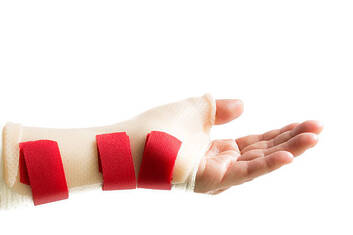
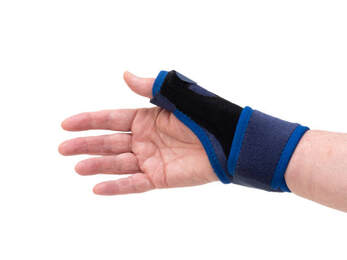
 DeQuervain's tenosynovitisDeQuervains' is a common cause of wrist and thumb pain in the community. Traditionally you may have heard about it occurring in new mothers due to the sudden change in demands associated with caring for young children. But it can affect people of any age, who is involved in repetitive wrist and thumb movements through work, DIY, new hobbies, sports, or even moving house. So what is Dequervain's anyway?Inflammation of the tendons that lift your thumb out and away from the hand occurs when there is a sudden increase in use. Once the tendons are swollen, they rub on the undersurface of the anchor strap around your wrist when you move your wrist and thumb causing the inflammation to be maintained or aggravated. This could be due to COVID lockdown knitting, a deadline at work or simply breastfeeding your new baby. 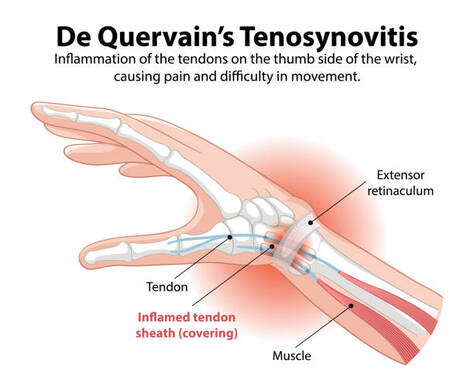 What treatments can help DeQuervain's? The good news is the it can be managed without surgery in the majority of cases. Management typically involves: 1) avoiding aggravation through ergonomic changes, 2) resting the inflamed tendons with splinting 3) restoring flexibility and strength with exercises to ensure the issue does not recur 4) soft tissue massage 5) icing/ oral anti-inflammatory medications can also be helpful
What exactly does a cortisone injection (CSI) do? Cortisone injections use a needle to deliver anti-inflammatory medication directly to the swollen tendon (inside its sheath) to reduce swelling. This is commonly done under the guidance of an ultrasound scan. In more chronic cases the injection will also help to break down adhesive scar tissue which causes stiffness. However many people notice the 'effects wearing off' after about 6-8 weeks as the medication gets broken down in your body.  So which treatment should you try first?Studies are ongoing and certainly indicate an improvement through either splinting or cortisone injection. So you can make a good argument for choosing either as an initial management strategy. Physiotherapists can refer for ultrasound scans, however we cannot give you a referral for the CSI so you would need to discuss this choice with your GP or specialist if you wanted to explore the injection option. I do see many patients commencing hand therapy after having had only temporary relief following a cortisone injection. The majority of these cases can still be helped without needing to resort to surgery.  So what do I recommend to my patients?There are many factors to be considered including the client's level of patience, tolerance to wearing splints and attitude to injections. Some people are very comfortable with injections and others would prefer less invasive management. |
AuthorKate Crump- Physio, Archives
January 2026
Categories |
 RSS Feed