
|
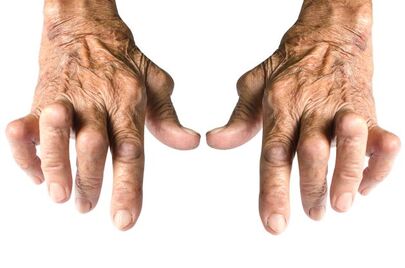
Rheumatoid arthritis (RA) is a chronic autoimmune condition that causes the body’s immune system to mistakenly attack the joints — particularly the small joints of the hands and wrists. This ongoing inflammation leads to pain, stiffness, swelling, and eventually joint deformity if left unmanaged. What Causes Rheumatoid Arthritis?While the exact cause of RA is unknown, it is believed to result from a combination of genetic, environmental, and hormonal factors. The immune system becomes overactive and targets the synovium — the lining of the joints — leading to chronic inflammation, joint damage, and reduced hand function over time. 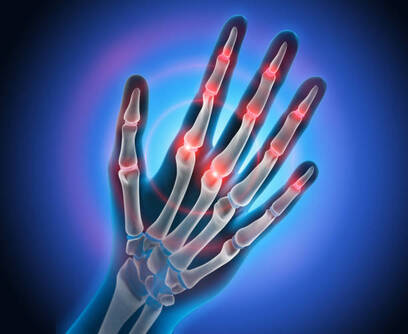 The Importance of Medical ManagementEffective RA care always begins with proper medical management. Rheumatologists may prescribe medications such as:
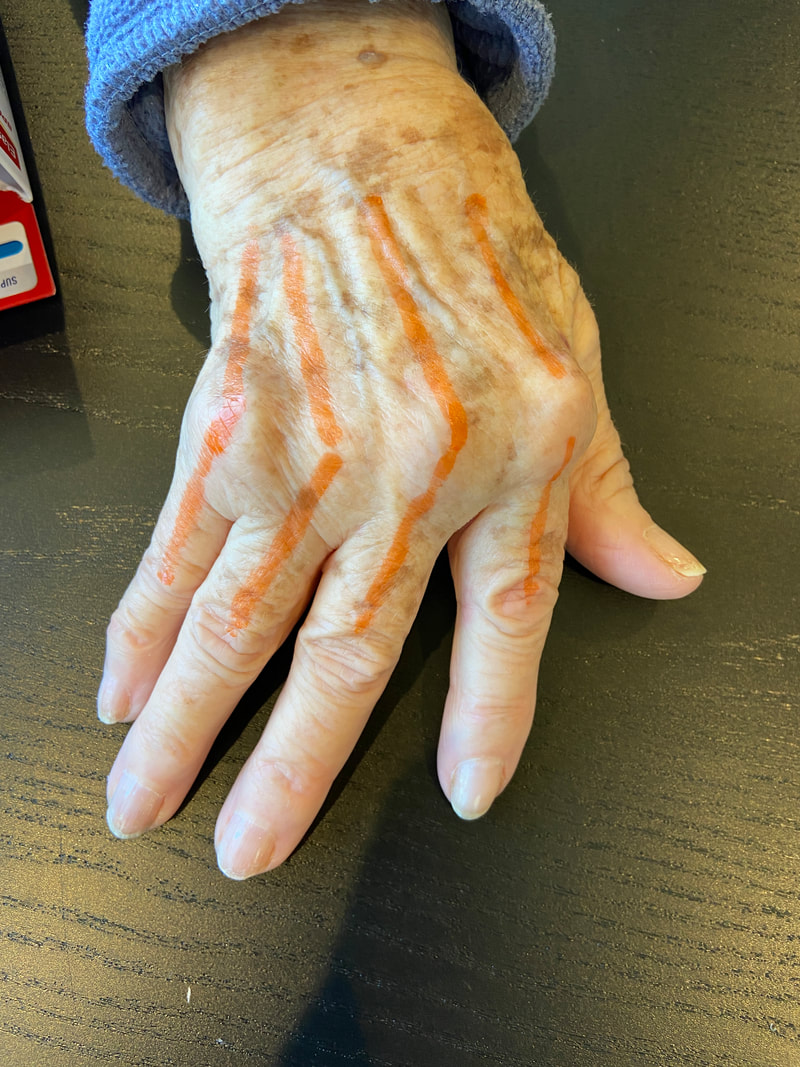
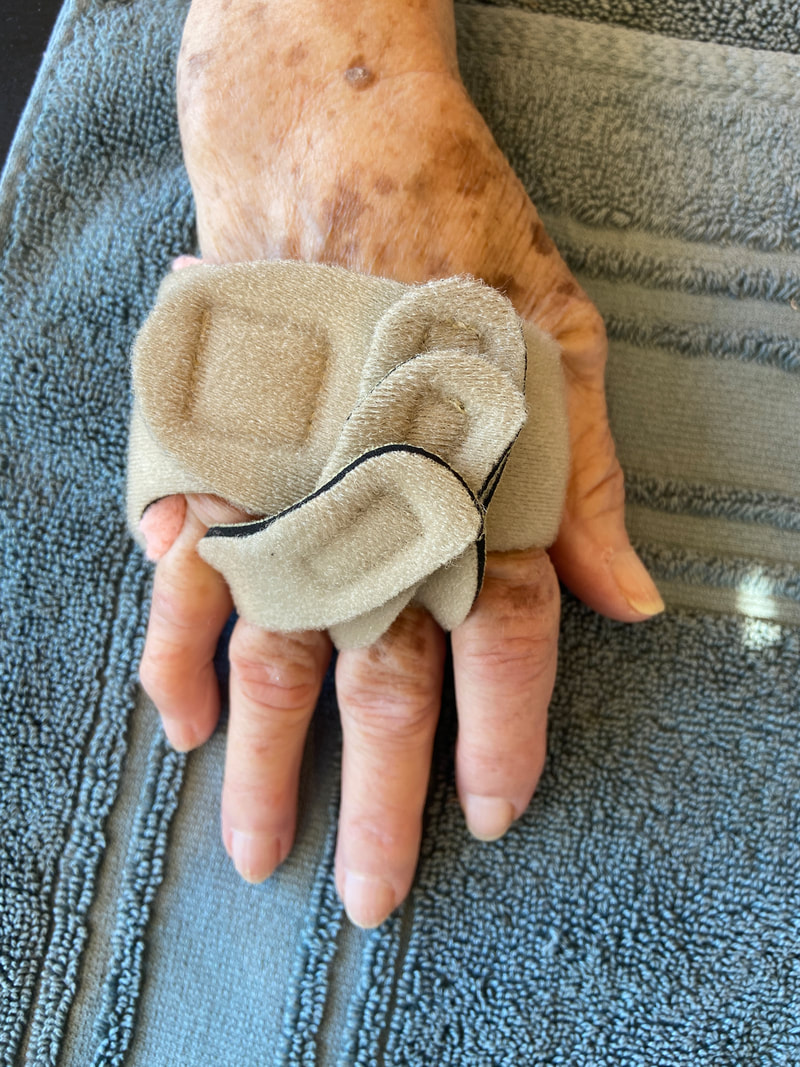
Regular monitoring, blood tests, and medication adjustments are essential to control the disease and prevent joint damage. 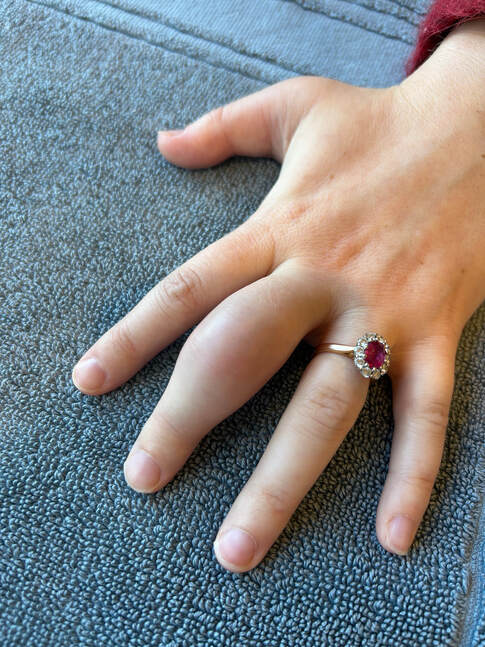 How Hand Therapy Supports RA ManagementWhile medication plays a key role, hand therapy is just as important in maintaining function and quality of life for people living with RA. Our hand therapy clinic provides personalized, evidence-based care to help clients manage symptoms and protect their hands. What Hand Therapy Can Offer:
|



 |  |
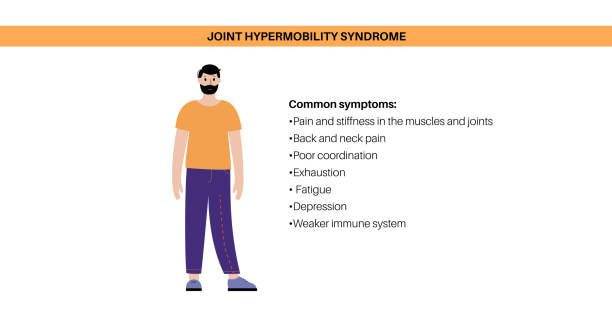
As a hand therapist, I often see individuals experiencing persistent hand pain or functional issues without a clear cause. One common yet often overlooked contributor is hypermobility. Hypermobility refers to joints that move beyond the normal range of motion due to increased ligament laxity. While this may seem like a benefit in sports or dance, it can lead to significant issues—especially in the hands.
Hypermobility can be localized or part of a broader condition like Hypermobility Spectrum Disorders (HSD) or Hypermobile Ehlers-Danlos Syndrome (hEDS). These conditions are more common than many people realize and can be present in both children and adults. For hand function, hypermobility may lead to joint instability, frequent subluxations or dislocations, pain during repetitive or prolonged activities, and reduced grip strength. Tasks such as writing, typing, or even opening jars can become difficult or painful.
Diagnosing hypermobility
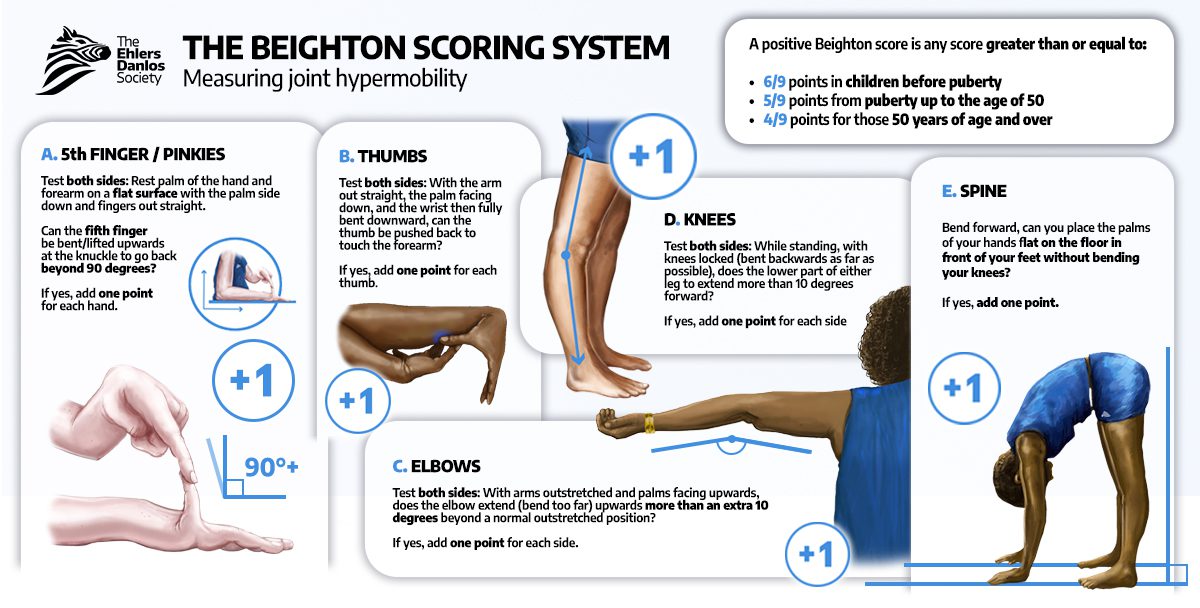
Diagnosis involves clinical assessment using tools like the Beighton Score and a detailed history of joint symptoms. It’s important to rule out other causes of pain and understand whether hypermobility is contributing to the individual's presentation.
Managing injuries in hypermobile individuals
When hypermobility is a factor, it changes how we manage injuries. Traditional approaches to hand injuries may not provide lasting relief if underlying joint instability is not addressed. Management must focus on joint protection, proprioceptive training, and muscle strengthening, rather than relying solely on rest or immobilization. In fact, over-reliance on splinting can sometimes worsen muscle deconditioning.
Strategies include tailored exercise programs to improve stability, education around activity modification, ergonomic support, and occasionally splinting during high-load activities. We also work closely with other professionals like rheumatologists or physiotherapists when systemic involvement is suspected.
If you or someone you know experiences frequent hand pain or "bendy" joints, it may be worth exploring whether hypermobility plays a role. Understanding this can lead to more effective, long-term solutions and help individuals regain confidence in their hand function.
As a sole trader hand therapist, I offer personalized care plans that consider each person’s unique joint profile—because effective rehabilitation starts with understanding the whole picture.
You can find a resource on Self-screening for hypermobility produced by Health connect here: https://hypermobility.smartersoft.io/hypermobility-test This is a great resource to help you start a conversation with your General Practitioner.
Strategies include tailored exercise programs to improve stability, education around activity modification, ergonomic support, and occasionally splinting during high-load activities. We also work closely with other professionals like rheumatologists or physiotherapists when systemic involvement is suspected.
If you or someone you know experiences frequent hand pain or "bendy" joints, it may be worth exploring whether hypermobility plays a role. Understanding this can lead to more effective, long-term solutions and help individuals regain confidence in their hand function.
As a sole trader hand therapist, I offer personalized care plans that consider each person’s unique joint profile—because effective rehabilitation starts with understanding the whole picture.
You can find a resource on Self-screening for hypermobility produced by Health connect here: https://hypermobility.smartersoft.io/hypermobility-test This is a great resource to help you start a conversation with your General Practitioner.
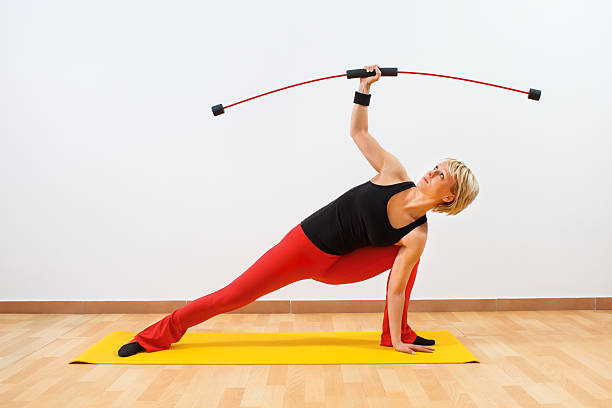
Trigger finger or trigger thumb can affect anyone, from office workers to athletes or tradesmen and even young children.
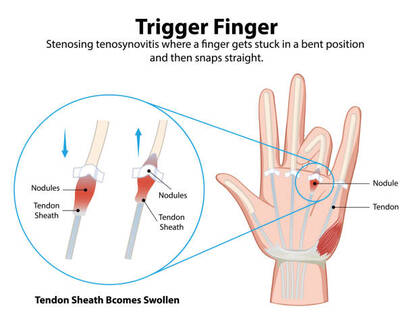
The condition occurs when the flexor tendon becomes irritated and inflamed, causing it to thicken or form a nodule. This restricts its ability to glide easily through the tendon sheath, leading to a painful “catching” or “locking” sensation most commonly when people make a full fist.
The condition occurs when the flexor tendon becomes irritated and inflamed, causing it to thicken or form a nodule. This restricts its ability to glide easily through the tendon sheath, leading to a painful “catching” or “locking” sensation most commonly when people make a full fist.
How common is trigger finger?
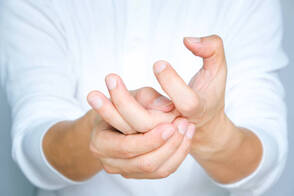
Trigger finger is one of the most frequent causes of hand pain and dysfunction. It is more common in:
- People aged 40–60
- Women more than men
- Individuals with diabetes or rheumatoid arthritis
- Those performing repetitive gripping tasks
- The thumb, ring, and middle fingers are most commonly affected.
What does a trigger finger feel like?
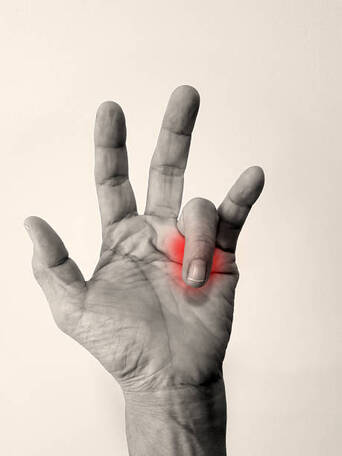
-
- Tenderness at the base of the finger or thumb
- Stiffness, especially in the morning
- A catching/ snapping or locking feeling when moving the digit.
- In more advanced cases, the finger or thumb may become stuck in a bent position
What can a hand therapist do to help for trigger finger?
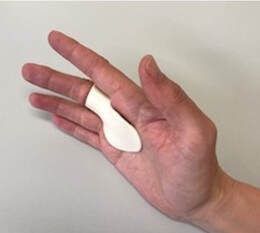
At Camberwell Hand Rehab, we guide clients through both the conservative and medical treatment pathways:
- Splinting is often the first step in management. A custom-made splint reduces some of the movement in the affected finger or thumb, this reduces the irritation by allowing the tendon to rest and heal. Splints can significantly reduce pain and improve movement, especially when worn at night.
- Activity modification: We help identify and reduce repetitive gripping or forceful use.
- Soft tissue therapy: Gentle massage and stretching techniques to relieve tendon irritation.
- Therapeutic exercises: To improve tendon gliding and reduce stiffness.
- Anti-inflammatories medications
- Many cases improve significantly with hand therapy alone.
What are the medical treatment options for trigger finger?
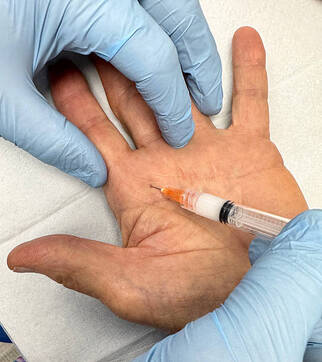
💉 Corticosteroid Injections
If symptoms persist, corticosteroid injections into the sheath of the tendon can help reduce inflammation and restore smooth tendon movement. These are used if conservative care is not sufficient or symptoms are severe.
🛠️ Surgery
When conservative measures are not successful, surgery may be recommended. This minor procedure releases the tight part of the tendon sheath, allowing the tendon to glide freely again. This can usually be done under local anaesthetic and has a high success rate.
Don’t ignore that click or catch in your finger. With early assessment and intervention from a qualified hand therapist, most people experience excellent outcomes and a quick return to normal hand function.
If you’re noticing clicking, pain, or stiffness in your fingers or thumb, a hand therapy assessment can help you find the right treatment pathway early.
Click this link to the Australian Hand Therapy Association's downloadable information sheet on trigger finger:
If symptoms persist, corticosteroid injections into the sheath of the tendon can help reduce inflammation and restore smooth tendon movement. These are used if conservative care is not sufficient or symptoms are severe.
🛠️ Surgery
When conservative measures are not successful, surgery may be recommended. This minor procedure releases the tight part of the tendon sheath, allowing the tendon to glide freely again. This can usually be done under local anaesthetic and has a high success rate.
Don’t ignore that click or catch in your finger. With early assessment and intervention from a qualified hand therapist, most people experience excellent outcomes and a quick return to normal hand function.
If you’re noticing clicking, pain, or stiffness in your fingers or thumb, a hand therapy assessment can help you find the right treatment pathway early.
Click this link to the Australian Hand Therapy Association's downloadable information sheet on trigger finger:
Common Hand and Wrist Injuries from Skiing and Snowboarding — And How Hand Therapy Can Help
1/9/2025
We have been fortunbate enough to have had a wonderful ski season in Victoria this year. Winter sports like skiing and snowboarding are exhilarating — but they also come with a high risk of hand and wrist injuries. Falls, awkward landings, and catching yourself with your hands can lead to painful conditions that impact not just your time on the slopes, but your daily life as well.
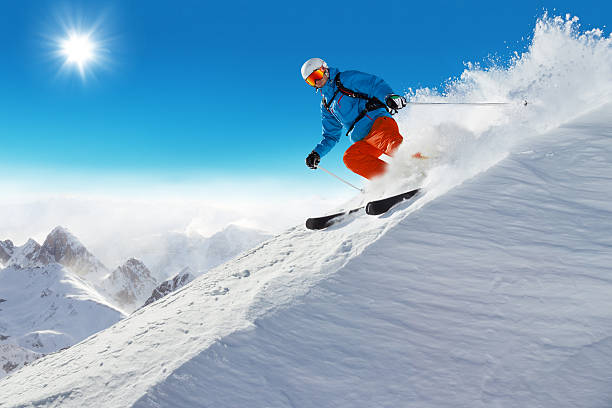
Common skiing and snow boarding injuries we see at CHR
- Skier’s Thumb: A common injury where the thumb ligament (UCL) is torn or sprained, often caused by falling while holding a ski pole.
- Wrist Fractures: Falls onto outstretched hands can result in broken wrist bones — particularly the radius or scaphoid.
- Wrist Sprains: Ligament strains from sudden impacts or twists during a fall are very common among snowboarders and skiers.
- Finger Dislocations or Fractures: A direct blow or fall can dislocate or break fingers, affecting grip and fine motor control.
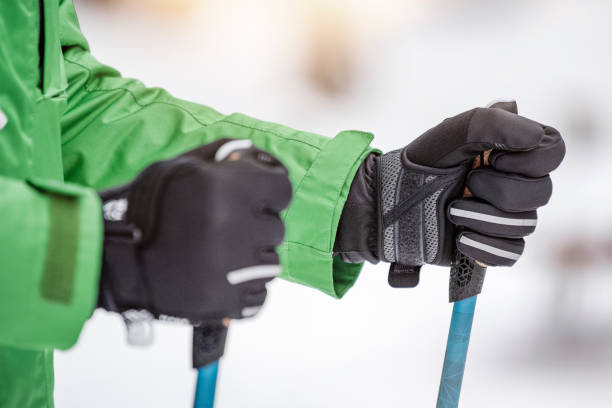
How Hand Therapy Can Help you recover from your snow sports injury?
Our hand therapy clinic offers expert rehabilitation for these types of injuries, helping you recover faster and return to activity safely.
We focus on:
We focus on:
- Swelling and pain reduction through manual therapy and modalities such as ice and heat
- Custom splinting, bracing or taping for protection and support during healing
- Restoring motion and strength with tailored exercise programs
- Re-education of movement patterns to reduce re-injury risk
- Guidance for return-to-sport including safe progression and technique tips
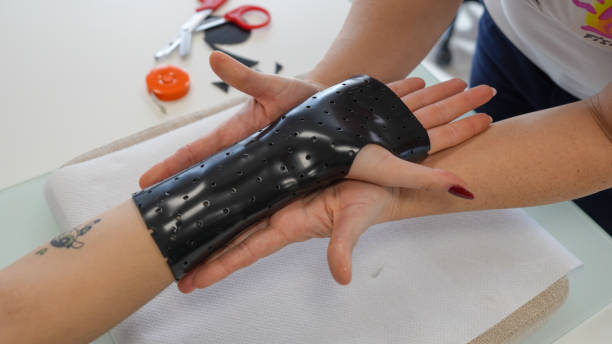
Don’t Let a Fall Sideline You
Whether you're a seasoned snowboarder or hitting the slopes for the first time, injuries can happen. Early hand therapy is key to a full recovery and preventing long-term issues.
If you’ve hurt your wrist or hand while skiing or snowboarding, reach out to our clinic. We’re here to help you heal, rebuild strength, and get back to doing what you love.
If you’ve hurt your wrist or hand while skiing or snowboarding, reach out to our clinic. We’re here to help you heal, rebuild strength, and get back to doing what you love.
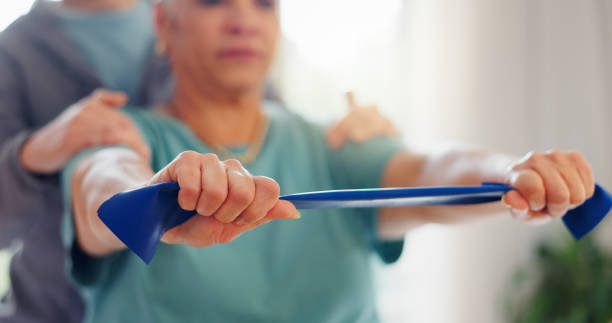
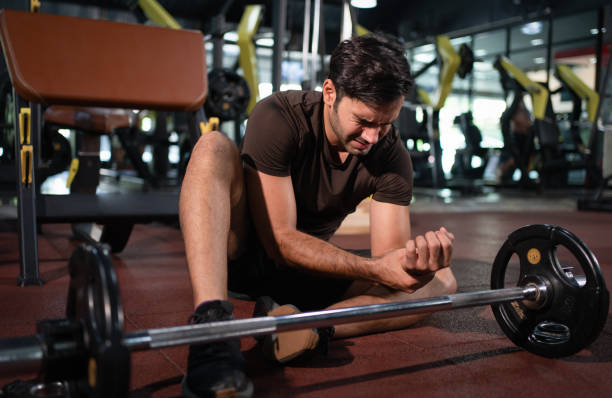
Working out is great for your health — but if you’re not careful, it can lead to painful wrist and hand injuries. At our hand therapy clinic, we often see gym-goers dealing with strain and overuse injuries that impact their workouts and daily function. It is common for gym goers to push their bodies and experience some delayed onset muscle soreness (DOMS) and it can be hard to distinguish 'good pain' from 'bad pain'
Common Gym-Related Wrist and Hand Injuries
- Wrist Sprains
Caused by overstretching or tearing ligaments during exercises like push-ups, weightlifting, or planks. - Tendonitis
Inflammation of tendons from repetitive movements (e.g., kettlebell swings, rowing, or barbell lifts) can affect the wrist or thumb. - Carpal Tunnel Syndrome
Pressure on the median nerve from overuse, especially with gripping or pressing motions, can lead to numbness, tingling, and weakness. - TFCC Injuries (Triangular Fibrocartilage Complex)
Common in lifting or twisting motions, these injuries cause pain on the pinky side of the wrist. - Thumb Strains or “Skier’s Thumb”
Occurs with heavy gripping or sudden strain, such as dropping weights or improper form.
How Hand Therapy Can Help
Our clinic offers targeted treatment plans for wrist and hand injuries, including:
- Manual therapies like massage, myofasical release to reduce pain and inflammation
- Customized exercises to rebuild strength and flexibility
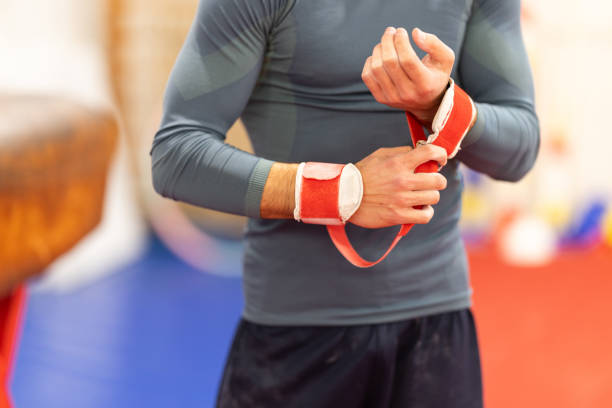
- Taping or bracing for support during healing
- Education on proper lifting techniques and injury prevention
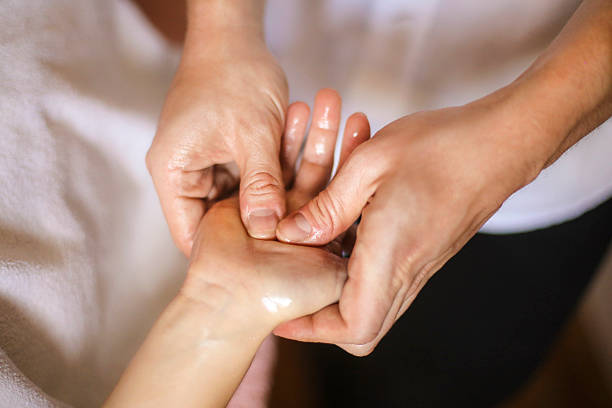
Don’t Push Through the Pain
Ignoring wrist or hand pain can lead to chronic problems and long-term damage. If you’re experiencing discomfort in your elbows, wrists, hands or fingers during or after workouts, let our expert hand therapists help you recover — and safely return to the gym stronger than before.
Book your appointment today and give your hands the care they deserve.
Book your appointment today and give your hands the care they deserve.
What you need to know....
At our hand therapy clinic, we often see patients experiencing cold, discolored fingers and discomfort during colder months or stressful situations.
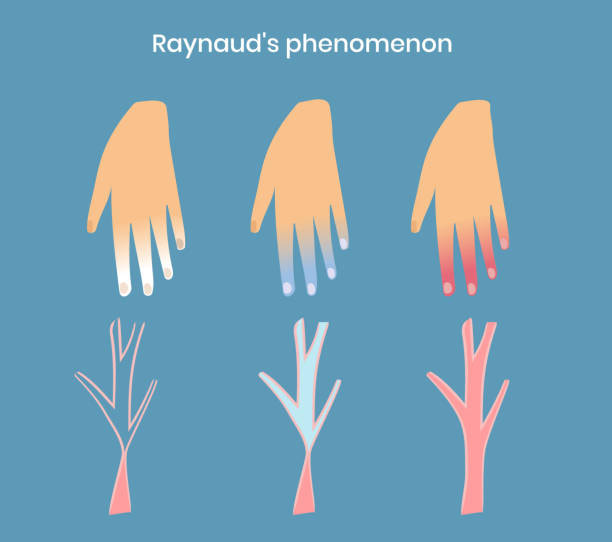
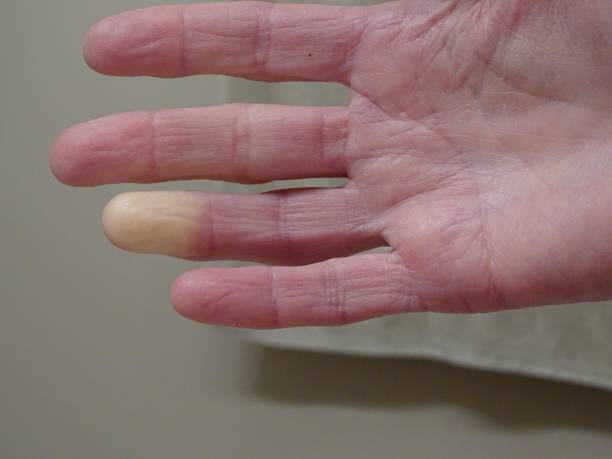
Raynaud’s Disease is a condition where the small blood vessels in the fingers (and sometimes toes) overreact to cold temperatures or emotional stress, causing them to narrow and temporarily reduce blood flow. This leads to colour changes in the skin — typically white, then blue, followed by red as circulation returns — often accompanied by numbness, tingling, or discomfort.
For many people, Raynaud’s is more of an inconvenience than a serious problem, but for others, it can significantly impact daily function, especially in colder months or in air-conditioned environments. Tasks that require fine motor skills, like typing, writing, or opening jars, can become frustrating when your hands suddenly lose circulation.
Raynaud’s Disease is a condition where the small blood vessels in the fingers (and sometimes toes) overreact to cold temperatures or emotional stress, causing them to narrow and temporarily reduce blood flow. This leads to colour changes in the skin — typically white, then blue, followed by red as circulation returns — often accompanied by numbness, tingling, or discomfort.
For many people, Raynaud’s is more of an inconvenience than a serious problem, but for others, it can significantly impact daily function, especially in colder months or in air-conditioned environments. Tasks that require fine motor skills, like typing, writing, or opening jars, can become frustrating when your hands suddenly lose circulation.
Symptoms to Watch For
Symptoms usually affect the fingers and may include:
- Coldness or numbness
- Skin color changes (white, then blue, then red)
- Tingling, throbbing, or pain upon warming or stress relief
- In severe cases, sores or ulcers
- Episodes can last from minutes to hours and vary in frequency and severity.
Treatment and Management
While there’s no cure for Raynaud’s, as a hand therapist, I often work with people experiencing Raynaud’s to help manage symptoms and maintain hand function. Key strategies include:
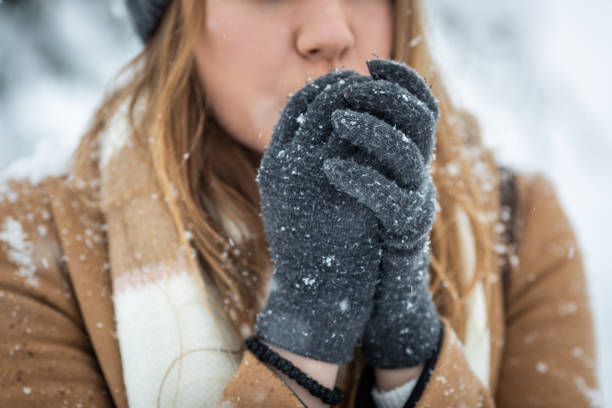
- Thermal protection – Keeping hands warm is essential. Layering, using heated gloves or hand warmers, and insulating drink bottles or steering wheels can help reduce the frequency of attacks.
- Stress management – Emotional stress can trigger Raynaud’s, so learning calming techniques like paced breathing or gentle stretching can reduce the severity and frequency of episodes.
- Exercise and hand therapy – Regular movement improves circulation. Hand therapy may include guided exercises to encourage blood flow, gentle desensitisation techniques, and education on avoiding prolonged exposure to cold.
- Medical input – In more severe or persistent cases, a GP or specialist may recommend medications to assist with blood flow or investigate if there’s an underlying autoimmune condition.
Consequences of Not Managing Raynaud’s
If left unmanaged, Raynaud’s can lead to:
- Frequent, painful attacks
- Skin sores or infections
- Permanent tissue damage or ulcers in severe cases
- Loss of dexterity or function, impacting daily activities
We're Here to Help
Raynaud’s is manageable with the right supports in place. Early recognition and a tailored plan from your hand therapist can make a significant difference — helping you stay active, independent, and comfortable in your daily life.
Follow this link to the Australian Hand Therapy Association's downloadable information sheet on Raynaud's disease:
Follow this link to the Australian Hand Therapy Association's downloadable information sheet on Raynaud's disease:
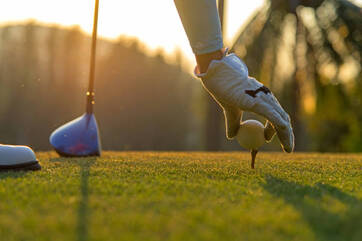
Golf may seem like a low-impact sport, but for an amateur enthusiast that I met this week, her love of swinginghas led to an overuse injury—in her case an ulna stress fracture
What Is an Ulna Stress Fracture?
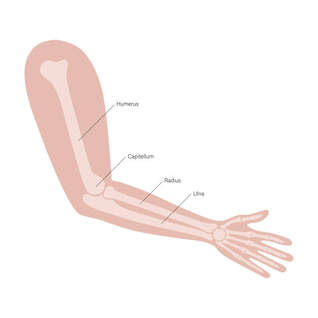
The ulna is one of the two long bones in your forearm, running from the elbow to the wrist. A stress fracture is the development of microtrauma to the bone from the cycle of repetitive overload and insuufficient recovery. The bone can develops fractures from repetitive impact and rotation, such as the torque and strain of repeated golf swings—players with suboptimal technique or poor conditioning can be at higher risk, as well as those with poor nutrition, osteopaedia and those allowing for insufficient recovery or sudden changes in training loads.
Signs of an ulna stress fracture:
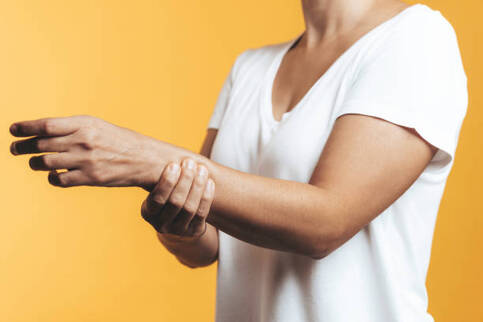
- Persistent pain on the inside of the forearm or wrist
- Swelling or tenderness along the ulna
- Pain that worsens during or after golf
- Reduced grip strength or discomfort with daily activities
Why Amateur Golfers Are at Risk:
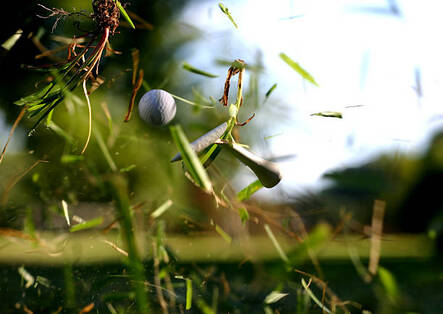
Amateur golfers may not have the same training, technique, or muscle conditioning as professionals. This can lead to increased strain on the non-dominant arm, particularly during impact with the ground (a common cause of trauma in mishits or “fat shots”).
Our approach to managing stress fractures
🩺 1. Comprehensive Assessment: Our accredited hand therapist physiotherapists evaluate the full kinetic chain—from grip to shoulder mechanics—to identify contributing factors.
👐 2. Custom Splinting and Load Management: We offer lightweight, custom-made forearm orthoses to support healing while maintaining comfort and function.
💪 3. Guided Rehabilitation: Tailored physiotherapy focuses on graded loading, range of motion, and progressive strengthening of the wrist, forearm, and shoulder to support a safe return to sport.
🏌️ 4. Swing & Equipment Review: We can collaborate with your golf coach and recommend for swing analysis when necessary, ensuring that technique adjustments prevent recurrence.
🧠 5. Education & Prevention: We equip our clients with strategies for warm-up, swing biomechanics, and load monitoring to avoid future injury.
Don’t let forearm pain take you out of the game. Whether you’re managing a recent injury or seeking a second opinion, our team is here to help.
📍Book your appointment today:
👐 2. Custom Splinting and Load Management: We offer lightweight, custom-made forearm orthoses to support healing while maintaining comfort and function.
💪 3. Guided Rehabilitation: Tailored physiotherapy focuses on graded loading, range of motion, and progressive strengthening of the wrist, forearm, and shoulder to support a safe return to sport.
🏌️ 4. Swing & Equipment Review: We can collaborate with your golf coach and recommend for swing analysis when necessary, ensuring that technique adjustments prevent recurrence.
🧠 5. Education & Prevention: We equip our clients with strategies for warm-up, swing biomechanics, and load monitoring to avoid future injury.
Don’t let forearm pain take you out of the game. Whether you’re managing a recent injury or seeking a second opinion, our team is here to help.
📍Book your appointment today:
Can it be predicted, does Rock Climbing or cracking your knuckles cause hand OA? And what can we do to manage OA once we have it? Read on to discover more….

How handy would it be if you could actually predict your likelihood of developing hand Arthritis

Well now you actually can predict the future using a prediction tool to get an estimation of your likelihood of developing hand OA over the coming 12 years. This tool is still being validated for females, but is thought to be reliable for use by males aged 35-70 years old who don’t currently have OA in their hands. The tool uses your age, weight, height, education, work level, sleep quality, weekly physical activity and general health to determine your probability of developing hand OA in 12 years time.
What risk factors did they identify?
As you would expect, greater age as well as heavier work, were found to increase your risk for both sexes. But interestingly this study also found that in men increased BMI (Body mass Index) and poor sleep quality also have a negative effect. Whilst in women the relevant risk factors were increased BMI, and a sedentary lifestyle. To minimise your risk, your doctor could refer males to a sleep specialist or recommend obese clients see a nutritionist.
The lifestyle factors give us yet another good reason to follow the WHO (World Health Organisation) 2020 guidelines for Physical activity: For adults aged 18-64: WHO recommends at least 150 -300 minutes of moderate activity or 75-150 minutes of vigorous intensity exercise per week. For older adults they recommend at least 3 sessions per week of moderate intensity exercise including strength and balance training.
The lifestyle factors give us yet another good reason to follow the WHO (World Health Organisation) 2020 guidelines for Physical activity: For adults aged 18-64: WHO recommends at least 150 -300 minutes of moderate activity or 75-150 minutes of vigorous intensity exercise per week. For older adults they recommend at least 3 sessions per week of moderate intensity exercise including strength and balance training.
Is there a link between hand OA and rock climbing?

It is generally accepted that rock climbers have thicker pulleys, collateral ligaments and capsules in their finger joints as well as bone adaptations. A 2022 study followed an elite rock climber over 10 years and found that bone thickness and osteophyte size did increase over time. As a result, the climber presented with morning stiffness but no pain.
.
Previous research has indicated that 84% of rock climbers present with signs of OA particularly in the middle finger. It is thought that the crimp position used by 90% of climbers contributes to the issue. Although is important to note that findings on Xray do not always correlate with symptoms
So would I recommend to my clients that they avoid rock climbing to prevent osteoarthritis? Probably not. Especially given that their participation is likely to assist them meeting their WHO guidelines for physical activity.
.
Previous research has indicated that 84% of rock climbers present with signs of OA particularly in the middle finger. It is thought that the crimp position used by 90% of climbers contributes to the issue. Although is important to note that findings on Xray do not always correlate with symptoms
So would I recommend to my clients that they avoid rock climbing to prevent osteoarthritis? Probably not. Especially given that their participation is likely to assist them meeting their WHO guidelines for physical activity.
So can cracking your knuckles cause OA?

Researchers in 1990 reviewed 300 participants over the age of 45. This included 74 regular knuckle crackers and 226 who didn’t. The researchers found no significant difference in rates of OA between the two groups. So that’s good news for the knuckle crackers but not such good news for those of us who have to listen to them cracking their fingers. Ewww!
But I already have hand arthritis? What can I do to manage it?

Conservative treatments for hand OA include:
- education regarding how to protect your joints -modifying activity, aids and equipment,
- learning how heat and compression can assist with your symptoms,
- how and when to exercise your hands, as well as
- prescription and fitting of custom splints and braces
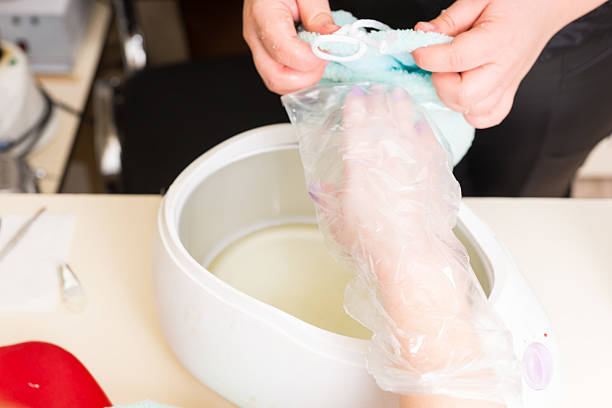
- warm paraffin wax bath and hand massage
| |  |
Other interventions your GP may recommend:
Please get in touch if you would like a customised management plan for your arthritis.
Many thanks to handyevidence.com for the informative research updates and inspiration
Click here to download the Australian Hand Therapy Association's handount on Finger Joint Osteoarthritis :
- Medications to manage the joint inflammation and pain,
- Injections of steroids into the affected joint
- Refer you to a hand surgeon
Please get in touch if you would like a customised management plan for your arthritis.
Many thanks to handyevidence.com for the informative research updates and inspiration
Click here to download the Australian Hand Therapy Association's handount on Finger Joint Osteoarthritis :
One of the most common questions I hear in the clinic is: “Is it a fracture or just a break?” And my answer is always the same: It’s both!
Despite what TV dramas or internet myths might say, the words fracture and break mean exactly the same thing. Both refer to a disruption in the continuity of a bone. Whether it’s a small crack, a clean snap, or a bone in multiple pieces — it’s still classified as a fracture (or a break). The terms are used interchangeably by doctors, therapists, and radiologists.
So why the confusion? Often, “break” sounds more dramatic, while “fracture” sounds more medical. But rest assured, if you’ve been told you have a fracture in your hand, finger, or wrist — you do have a broken bone.
Understanding this can be helpful when discussing your injury and planning your recovery. At your hand therapy appointment, we’ll assess the type of fracture, its location, and how it's healing. Some fractures are stable and heal well with splinting and protection. Others may need surgery, and we work closely with hand surgeons and your GP to ensure the best care.
Once healing has started, therapy focuses on restoring range of motion, strength, and function. Scar management, swelling control, and graded return to activity are all part of the process.
If you've been told you have a fracture — don't panic, but don’t ignore it either. Early intervention and a clear treatment plan are essential to avoid long-term stiffness, pain, or weakness.
So remember: whether they call it a break or a fracture, your bone just needs the right support — and that’s exactly what hand therapy is here for.
 | 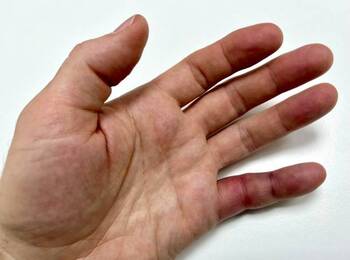 |
HOW CAN I TELL IF I HAVE A FRACTURE?
Common signs of a broken bone are:
- bruising,
- swelling, pain,
- loss of motion and
- tenderness to touch.
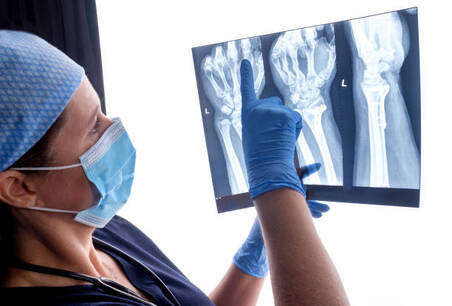
However, as AMAZING as we are, your doctor or hand therapist does not have XRAY vision! It is impossible to know if a fracture is present without doing an Xray, or CT or MRI scan.
Occasionally your fracture may not appear on an initial Xray for a variety of reasons, so if your symptoms persist please follow up again with your health professional for further assessment
FRACTURE TREATMENT OF THE UPPER LIMB
The seriousness of any broken bone and the way your health professional decides to manage it is determined by several factors:
- the type of fracture you have,
- whether it is in a good position and
- whether it is likely to move position
Options for protecting and keeping your fracture still include:
- slings
- off the shelf splints
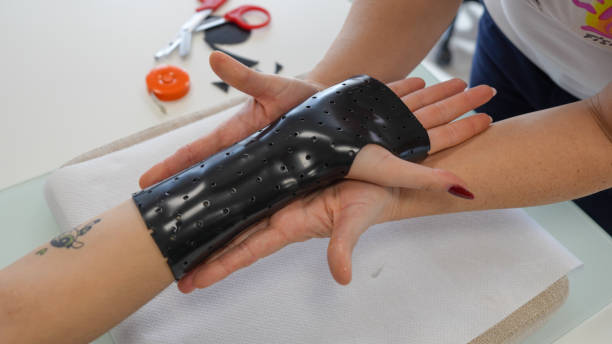
- custom thermoplastic splints
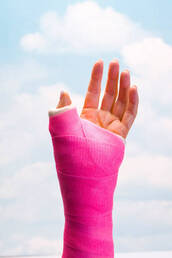
- plaster or fibreglass casting
- buddy tape
- displaced fractures may require manipulation of the bone position
- unstable fractures may require surgery to hold the broken segments in place with wires, screws or plates.
The length of immobilisation will depend on the bone involved (legs tend to take roughly double the time of arm bones), as well as the type of fracture and the age of the patient.
Children tend to heal faster, whilst scaphoid fractures (a bone in your hand) can take an especially long time to heal if the bone’s blood flow is affected. Most upperlimb (arm) fractures will be protected / immobilised for about 6 weeks.
 |  | 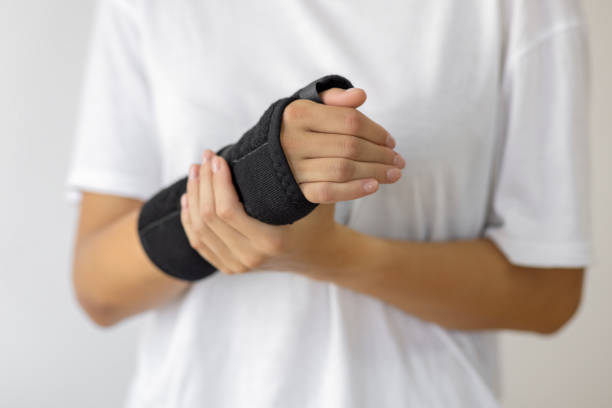 |
SO WHAT’S MY ADVISE IF YOU SUSPECT A FRACTURE?
- Get an Xray - we do not have superpowers
- take all finger, hand and wrist fractures seriously & see a professional who is familiar with managing these injuries such as a hand therapist
- remember even if your Xray is negative, that only excludes a bone injury.
Many soft tissues such as ligaments and tendons can be damaged during trauma. They also require expert care to ensure a full and timely recovery. Your hand therapist can help you achieve the fastest recovery and can frequently diagnose your soft tissue injury without further imaging being required.
Looking forward to helping you in your recovery
Author
Kate Crump- Physio,
Accredited Hand Therapist, as awarded by the AHTA
Archives
January 2026
December 2025
October 2025
September 2025
August 2025
July 2025
April 2023
November 2022
September 2022
August 2022
 RSS Feed